







Search Results for: Tofu Pudding
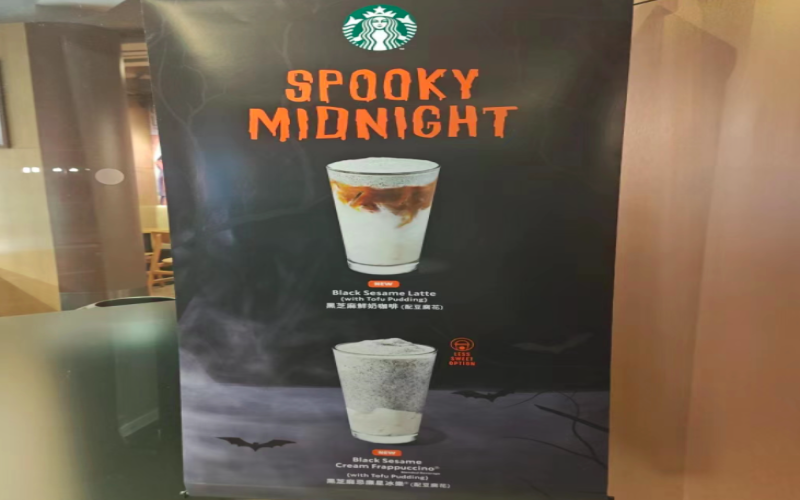
Starbucks Hong Kong and Macau launch a black sesame tofu pudding coffee for Halloween, and consumers note the contrast between its appearance and taste.
As October and Halloween approach, Starbucks Hong Kong and Macau has launched a timely black sesame drink series, including Black Sesame Fresh Milk Coffee and Black Sesame Cream Frappuccino, and allows customers to add tofu pudding themselves to create a unique texture. However, after the new products hit the market, the gap between their appearance and the promotional posters sparked heated discussion, with some jokingly describing the real thing as looking like "ash water." Despite the unimpressive look, the combination of smooth tofu pudding and rich black sesame has led some consumers to drink it for three days in a row. This pairing is not appearing for the first time; previously, the Sesame Almond Tofu Frappuccino at Taiwan stores received a good reputation. So, is this cross-category mashup actually worth trying? Let's find out from consumer feedback. [more…]
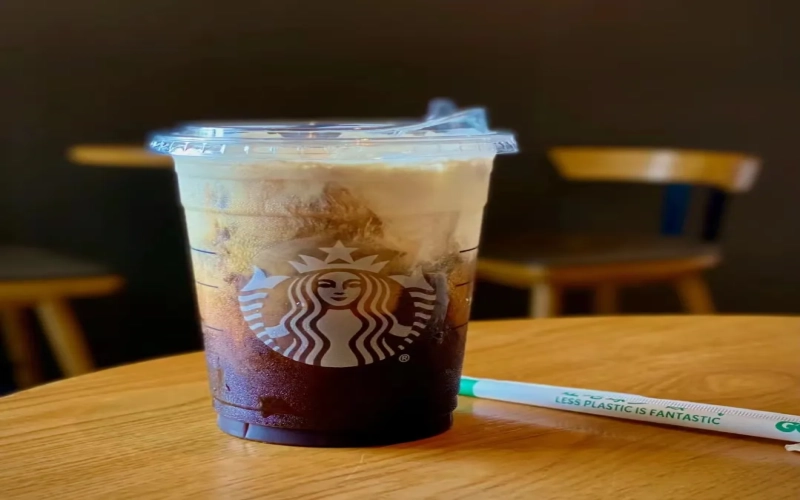
Luckin launches new Marble Iced Americano, real-life appearance mocked as looking like tofu pudding and spicy soup
In Starbucks' secret menu, the iced Americano with heavy cream, where the cream sinks to form white streaks, is called a Marble Americano. This way of drinking it originates from Con Panna and Viennese coffee. Luckin recently quietly launched three new drinks, one of which is precisely the Marble Americano, with promotional images that look quite appealing, attracting many consumers to try it early in the morning. However, the actual product differs noticeably from the promotion, with the cream in the coffee taking on forms like egg drop soup, tofu pudding, or spicy soup, and netizens jokingly calling it a bait-and-switch. This article sorts out the recipe differences, actual appearance, and taste feedback of this new product, and includes related recommendations from Front Street Coffee. [more…]
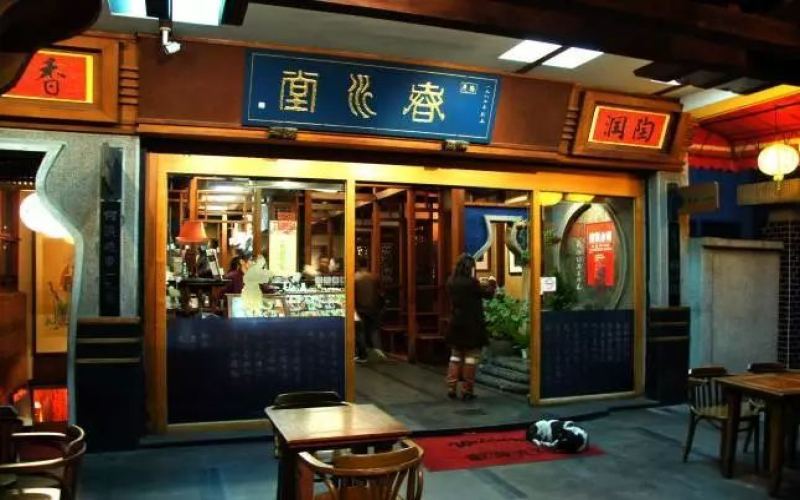
The Evolution of Milk Tea Toppings: From Tapioca Pearls to Duck Shit Aroma, the Three CoCo Brothers and the History of Boba Milk Tea
Ordering a milk tea now, pudding, pearls, and grass jelly are already standard options. Thirty years ago, the earliest milk teas were far less elaborate. Starting from 1987, when Taiwan's Chun Shui Tang dropped tapioca pearls into milk tea, the matter of adding toppings has gone through a long process of being banned, recombined, cross-industry experimentation, and a rotating lineup of niche fruits. CoCo都可 combined pearls, pudding, and grass jelly into one drink, giving rise to the now-familiar "Milk Tea Three Brothers." Nowadays the direction of toppings has shifted again—lemon tea is actually more popular without toppings, and new faces like Yashixiang, bergamot, turmeric, and peach gum have appeared one after another. This piece reviews the key milestones in milk tea toppings and also shares some observations from Front Street Coffee on current tea beverage trends. [more…]
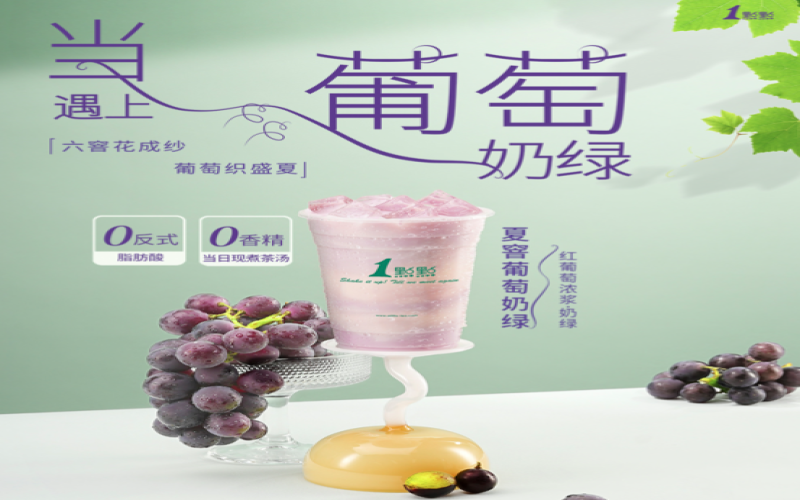
1 Dian Dian's new product "Summer Scented Grape Milk Green" receives poor reviews: both its appearance and taste are criticized by consumers.
Tea brand 1 Dian Dian recently launched a new product, "Summer Pit-Scented Grape Milk Green," attracting a large number of fans to try it out immediately with its light purple promotional posters and novel flavor. However, as genuine feedback increased on social media, this new product encountered overwhelmingly negative reviews—the buyer's show differed vastly from the promotional images, jokingly dubbed "cement gray"; even when opting for no added sugar, some consumers reported it was cloyingly sweet; furthermore, users who switched to A2 fresh milk discovered floating curds in their cups, describing it as "tofu pudding milk tea." From appearance to taste, this highly anticipated new product left many Dian Dian devotees exclaiming "the greater the expectation, the greater the disappointment," and even questioning the brand's R&D capabilities. This article will comprehensively sort out consumers' genuine feedback and the focal points of controversy. [more…]

Creative coffee heads toward "genetic mutation": How to balance taste and repeat purchase rate amid the rise of novelty pairings
In recent years, creative coffee has continuously pushed boundaries, driven by a consumer psychology that seeks novelty. From early combinations with milk, sugar, and cream, to Irish coffee-style blends of alcohol and coffee, and then to milk coffee, tea coffee, and fruit-based specialty drinks, we now even see surprising combinations like pickled vegetable Americano, tofu pudding latte, and pig trotter ginger specialty coffee. While these products can briefly capture attention, they often sacrifice the rationality of flavor pairing, leading consumers to not repurchase after trying them. This article reviews the evolution of creative coffee, analyzes the reasons and concerns behind these "genetic mutations," and explores how a good creative coffee should balance visual impact with flavor harmony, providing reference for coffee enthusiasts and practitioners. [more…]
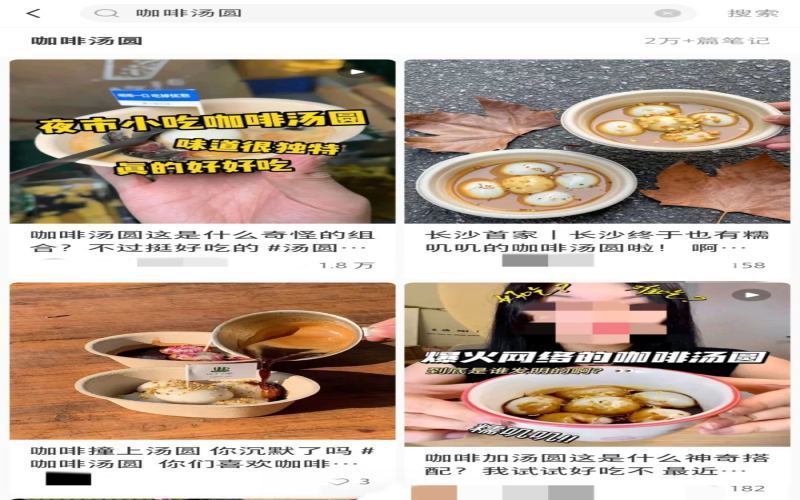
Coffee and tangyuan collide to create a new product? Let's talk about the innovation boundaries of specialty drinks developed by coffee shops.
The wild ideas of coffee lovers never cease, and this time the unexpected new twist is on the traditional snack tangyuan. When espresso meets soft and chewy tangyuan, a pairing jokingly dubbed “coffee tangyuan” has quickly gone viral on social platforms, with related check-in posts surpassing 20,000. Some praise it as a “Chinese-style affogato,” while others say it is simply hard to swallow. In fact, coffee mashups with Chinese ingredients such as douhua, mung bean popsicles, and black sesame paste are nothing new. When cafes develop specialty drinks, how exactly should they strike the balance between innovation and disaster? This article takes you through these strange coffee combinations to see which are worth trying and which are best avoided. [more…]
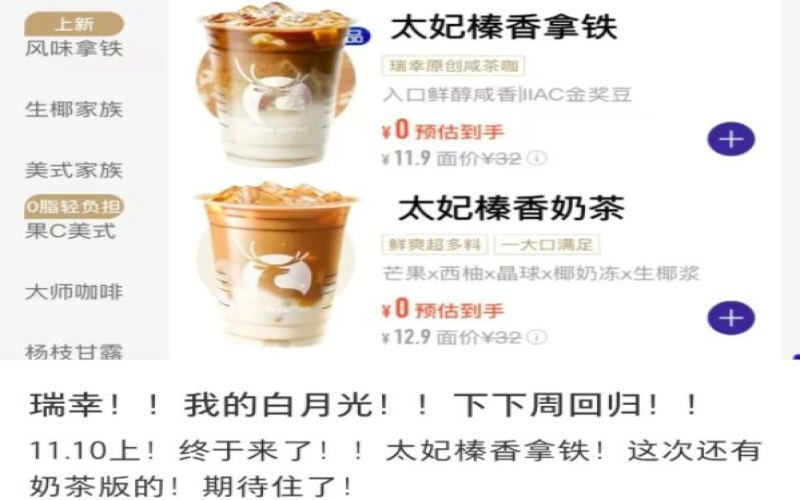
Luckin's launch of Toffee Hazelnut Milk Tea sparks debate: accused of mixing unsold ingredients to clear inventory, classic latte recipe also adjusted
As the weather turns cooler, Toffee Hazelnut Latte has once again become a hot topic among coffee enthusiasts. Brands such as Starbucks and Peet's have successively announced the return of their classic versions, and Luckin is also reported to be launching a Toffee Hazelnut Latte next week, along with a new "Toffee Hazelnut Milk Tea." However, this new product has sparked collective concern among Luckin employees. According to a leaked recipe, the milk tea uses Assam black tea as its base, with the addition of Toffee Hazelnut Velvet Flavored Milk, brown sugar syrup, Silkido, and Milk Skin Velvet Flavored Milk. Employees pointed out that when Silkido and Milk Skin Velvet are mixed, they form the "tofu pudding"-like milk jelly that was criticized in the previous Milk Skin Latte, and since these two ingredients have long been overstocked, it is being questioned as a mix-and-match move to clear inventory. Meanwhile, this year's returning Toffee Hazelnut Latte is also rumored to have a changed recipe, which may leave consumers who were expecting last year's taste somewhat disappointed. [more…]
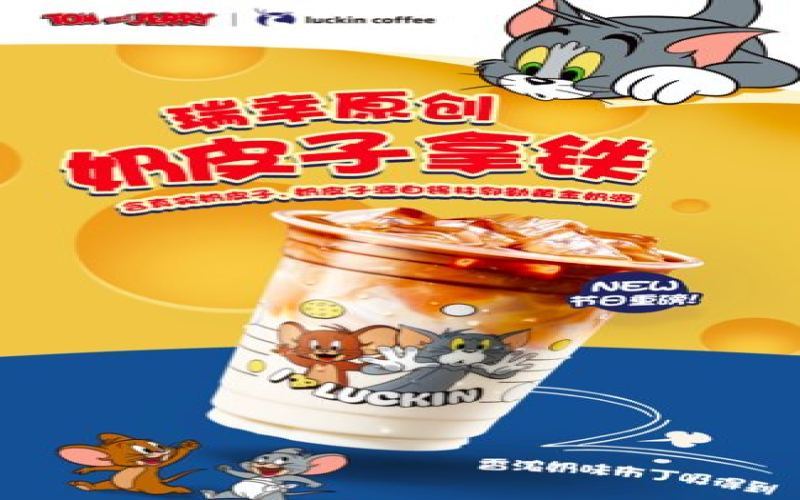
Luckin's Milk Skin Latte Divides Opinions: Milk Pudding and Coffee Struggle to Blend, Sweet and Bitter Each Go Their Own Way
Luckin Coffee has once again partnered with Tom and Jerry to launch a new product inspired by Inner Mongolian milk skin, the "Milk Skin Latte," attracting a large number of consumers eager to try it. However, feedback from the first batch of users has shown clear divisions: some find the milky pudding texture novel, while more people complain that the sediment in the cup is sticky and cannot blend with the coffee, with sweetness and bitterness distinctly separate on the palate, jokingly calling it "double-skin milk and latte each doing their own thing." Inner Mongolian netizens further pointed out that the coagulated substance used is not real milk skin, suggesting it be renamed "milk jelly latte." Luckin subsequently added a pudding-free version, but it was criticized as bland and unremarkable. What exactly is the root cause of this controversy over the taste of the Milk Skin Latte? [more…]
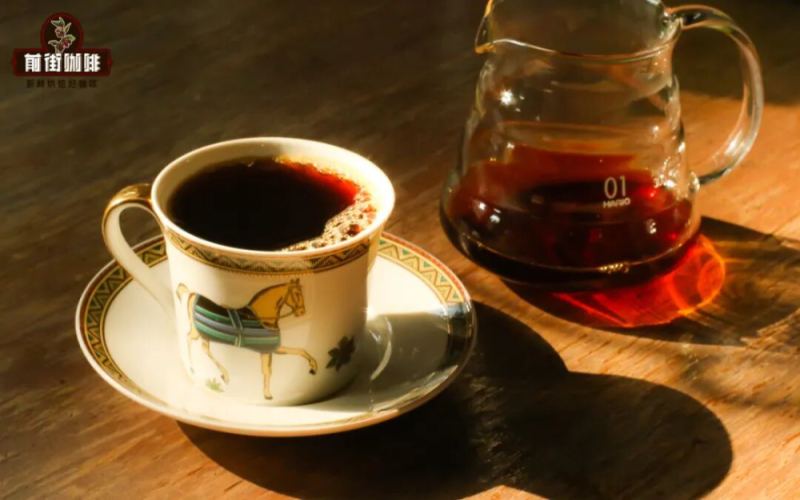
Coffee Bean Recommendations | Is Good Coffee Always Sour? Which Regions Produce Coffee Beans with Bright Acidity? Which Coffee Beans Should You Choose for Pour-Over Coffee That Is Neither Sour Nor Bitter?
One of the defining features of Front Street's shops is the wide selection of beans available for pour-over coffee. Although not every bean sold on Taobao and Tmall has been brought into the physical stores, a rough count still puts the number at over thirty—so the choices can be considered quite abundant. And even though the bean selection runs to more than thirty options, [more…]
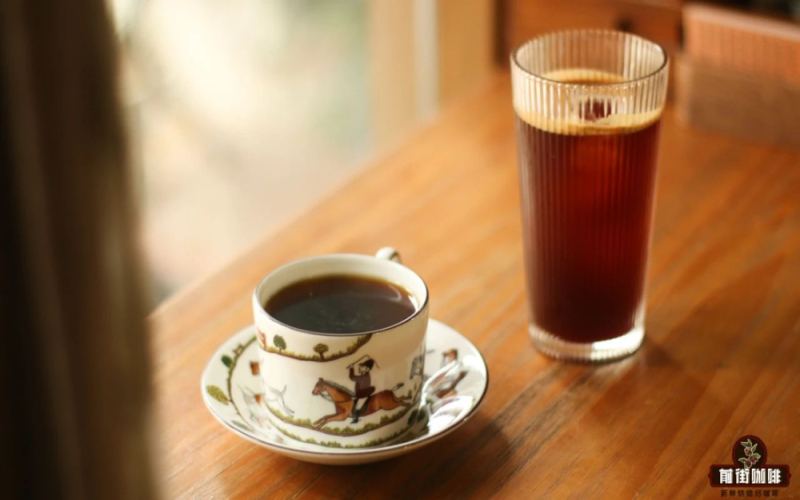
What Are the Differences Between Iced Americano and Hot Americano? An Analysis of Americano Brewing Methods and Flavor Comparison
Whether Americano should be drunk iced or hot has always been a hotly debated topic in coffee circles. Judging by market choices, iced Americano seems to have the upper hand, with noticeably more buyers than hot Americano. It's the same espresso with water added—why does merely a difference in water temperature make a cup of coffee present a completely different face? This article will use Front Street Coffee's actual comparative tests to analyze the specific differences between iced and hot Americano from the angles of brewing method, aroma expression, and mouthfeel layers, and explain how human senses perceive sourness, sweetness, and bitterness differently at various temperatures, helping you find the cup that better suits your taste. [more…]
Americano Water Temperature Comparison | What Are the Taste and Flavor Characteristics of Americanos at Different Temperatures? How to Make an Americano and How Much Iced Water to Add to Espresso
Whether Americano tastes better hot or iced is just like whether tofu pudding should be savory or sweet—it splits coffee lovers into two camps. At times like this, there are always onlookers who say: it's clearly just espresso mixed with water, so isn't iced and hot the same? Actually, it really isn't! What is Americano? Americano originated during World War II. [more…]
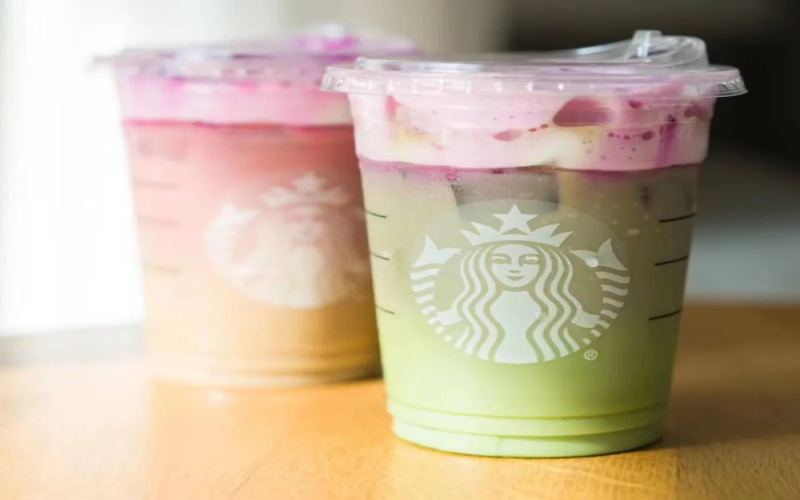
Halloween Coffee Specials Roundup: Starbucks Dragon Fruit Cloud, Charcoal Frappuccino and Other New Flavors Spark Discussion
As Halloween approaches at the end of October each year, major coffee brands rush to launch their limited-edition festive specials. This year, Starbucks, Peet's Coffee, Costa, and other brands have all rolled out new offerings. The visual designs are certainly eye-catching, but the flavors have left many consumers crying "dark." From dragon fruit cloud-topped lids to bamboo charcoal black sauce Frappuccinos, from sesame almond tofu to Pirate's Treasure Lattes—how do these Halloween special drinks actually perform? Netizens' reviews are mixed: some are sold on the aesthetics, while others are put off by the taste. This article will review the highlights and sore points of these festive new releases to see which one is truly worth a try. [more…]
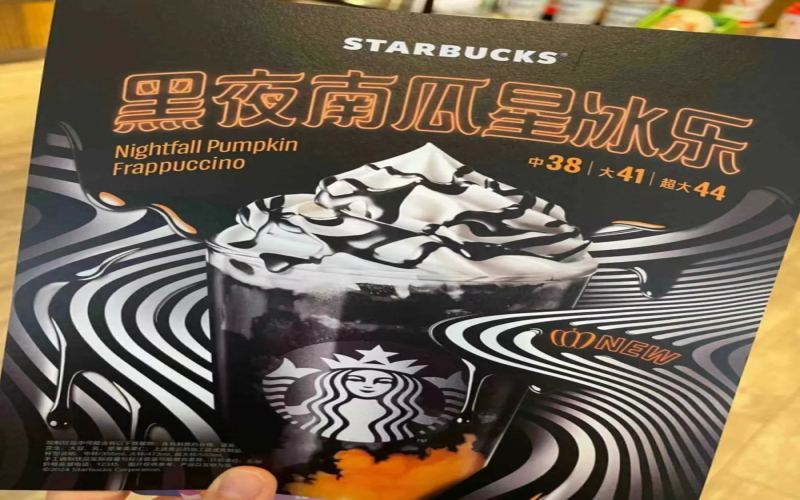
Starbucks Halloween New Release "Dark Pumpkin Frappuccino" Review: Bamboo Charcoal Black Caramel Recipe—Will Your Mouth Turn Black After Drinking?
As Halloween approaches, Starbucks has finally unveiled its limited-edition drink for the Chinese market this year—the "Dark Pumpkin Frappuccino" will land in stores nationwide on October 22. The entire drink is pitch black, jokingly dubbed by netizens as the literal embodiment of "dark cuisine." Where exactly does the black color of this drink come from? Does it taste as "dark" as it looks? Will your mouth turn black after drinking it? This article combines employee hands-on tests and consumer feedback from social platforms to answer these questions one by one. In addition, the article also mentions the "Concrete Frappuccino" previously launched in Hong Kong and Macau stores, as well as the overly sweet controversy surrounding the same product in the Japanese market last year, and includes relevant recommendations from the Front Street brand for coffee enthusiasts' reference. [more…]
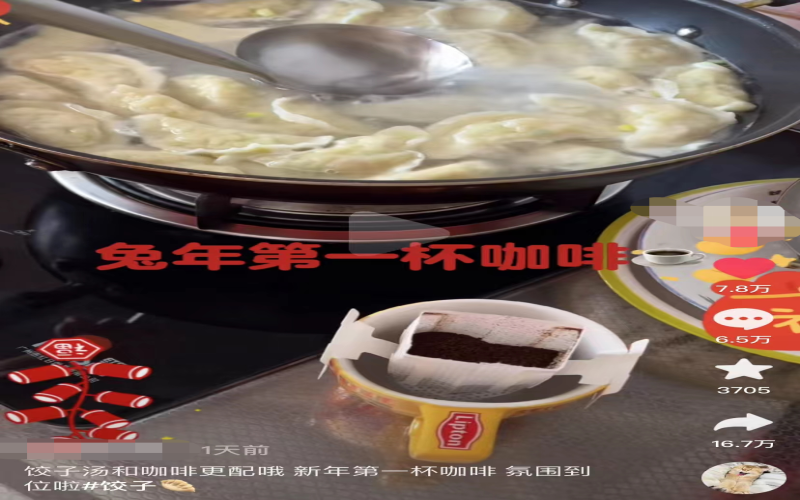
Dumpling soup poured over coffee sparks a Spring Festival sensation, coffee lovers' creative mashup ignites heated discussion
During the Spring Festival, when returning home for the New Year, besides enjoying family reunions, many coffee enthusiasts have come up with new tricks. Recently, a coffee brewed with dumpling soup has sparked heated discussions online, with some finding it highly creative and others seeing it as a challenge to conventional tastes. From tangyuan coffee to tofu pudding coffee, and even mung bean popsicle coffee, netizens have been trying to combine traditional Chinese foods with coffee. Are these mashups delicious specialty drinks or disastrous concoctions? While exploring new ways to enjoy coffee, how to balance the flavor differences of various ingredients has become a question worth pondering. This article will show you these wildly imaginative new coffee trends. [more…]

Unveiling Milk Clarification: Transparent Latte Flavor Test and Complete Brewing Guide
At the 2021 World Coffee in Good Spirits Championship, clarified milk made a stunning appearance, but it has still not entered the coffee market on a large scale, and can only be encountered occasionally in a few specialty coffee shops. How exactly is this "milk," which looks as clear as water, made? And what would a latte made with it taste like? Front Street Coffee decided to conduct an experiment firsthand, starting from the principle of milk clarification, step by step using lemon juice and milk to make transparent milk, then trying three methods respectively—drinking it directly, adding it to espresso, and adding sugar to neutralize the sourness—for a comprehensive review of the true flavor of clarified milk latte. If you are interested in specialty coffee creations and innovative ingredients, this hands-on test record will give you a direct answer. [more…]
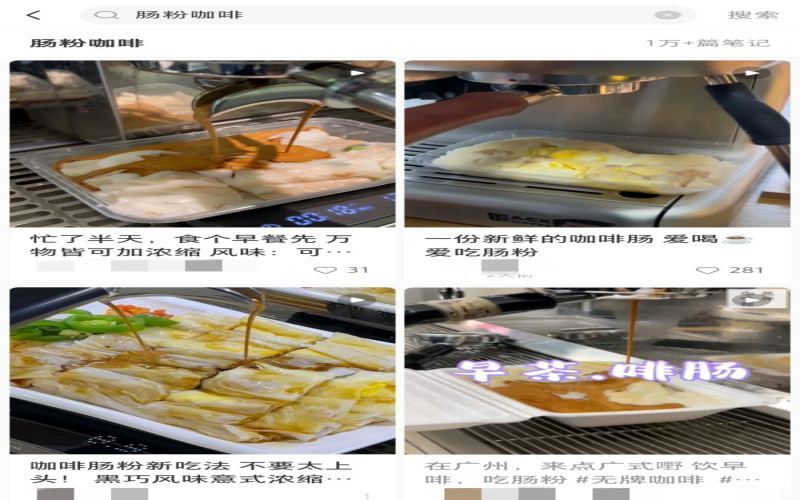
Rice noodle rolls paired with espresso? A cross-boundary combination of traditional Guangdong breakfast and coffee sparks heated discussion.
What happens when traditional Guangdong rice noodle rolls meet espresso? Recently, a novel way of eating them—swapping the soy sauce for espresso—has sparked widespread discussion on social media, with related posts on Xiaohongshu exceeding ten thousand. Some people call it outrageous, while others say they are eager to try it. In fact, crossovers between coffee and traditional Chinese foods have long existed, from Chengdu's pork intestine rice noodles paired with coffee to fried dough sticks with coffee. Such attempts continuously refresh people's understanding of coffee culture. This article will take you through the story behind this phenomenon and the various amusing tales of coffee's localisation explorations. [more…]

Which is more outstanding: iced, hot, or room-temperature Americano? What water temperature is suitable for controlling hot Americano?
It's the same espresso diluted with water, so why do iced, hot, and room-temperature Americanos taste so different? This article starts with the origins of the Americano, traces how Italian-style cafés brought this drink to prominence, and uses a comparative experiment—making iced-water, room-temperature-water, and 88°C-hot-water versions of the Americano with Front Street Coffee's classic espresso blend—to break down the differences one by one across three dimensions: aroma, flavor, and mouthfeel. The article also provides specific methods for making all three types of Americano, the ratio of espresso to water, and the reason hot Americanos shouldn't use water that's too hot, helping coffee lovers choose based on the taste they want at the moment. [more…]
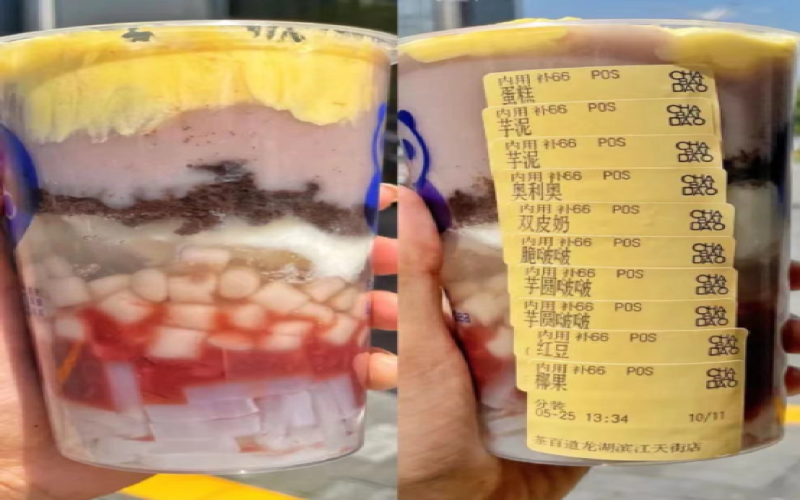
Under the cross-industry beverage trend, the boundary between coffee and milk tea is becoming increasingly blurred, and a blind taste test reveals that nearly half of consumers struggle to tell them apart accurately.
These days, walking into any beverage shop, the variety on the menu is always dazzling. Boba shops are selling porridge, cafes surprisingly offer lemon tea, and industry competition has long entered a white-hot stage. More noteworthy is that the boundary between coffee and milk tea is being continuously broken: oats, fermented rice, thick milk, and osmanthus are all being added to coffee, the traditional bitter taste is weakened, and the flavor is moving closer to milk tea. A science blogger on Weibo once organized a blind test, asking participants to distinguish between coffee and milk tea with similar flavors, and surprisingly nearly half of the people could not accurately tell them apart. Coffee's localization and youth-oriented strategies, the migration of childhood milk tea memories, and various novelty pairings have jointly driven this trend. This article takes you to explore the phenomenon of coffee becoming more like milk tea and the logic behind it. [more…]
Iced Americano vs. Hot Americano: Which Tastes Better? A Detailed Guide to the Best Time to Drink It and the Ice-to-Water Ratio
Should Americano be enjoyed iced or hot? This question has long been debated among coffee enthusiasts. Some feel that since it's just espresso diluted with water, the difference between iced and hot is minimal, but after actually tasting it, you'll find that temperature has a quite noticeable effect on aroma, acidity, and mouthfeel. In this article, through a comparative experiment at Front Street Coffee, using Sunflower Warm Sun blend coffee beans, we'll prepare three cups of Americano with ice water, room temperature water, and 88°C hot water respectively, and evaluate them from three dimensions: aroma, flavor, and mouthfeel. At the same time, we'll explain in detail the specific methods for making iced Americano, room-temperature Americano, and hot Americano, including the ratio of espresso to water, the amount of ice, and water temperature control—key parameters that will help you choose the cup that best suits your taste in different situations. [more…]
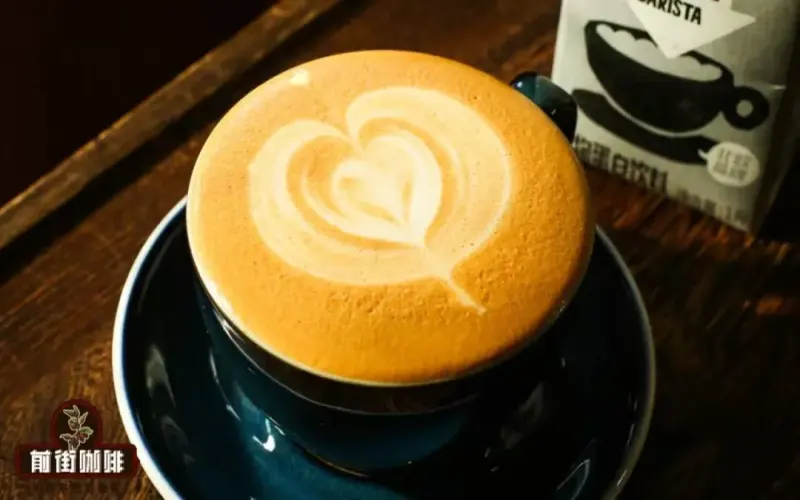
Soy Milk Latte Making Guide: How to Choose the Right Coffee Beans and Master the Key Ratios
Beyond oat milk and almond milk, soy milk is likewise a plant-based milk alternative worth trying when making coffee. However, using soy milk to make a latte isn't something that succeeds with any random combination—the roast level of the coffee beans and the ratio of soy milk to espresso both directly affect the final taste. This article will draw on Front Street's practical experience to explain why soy milk is more suitable for coffee than regular soybean milk, what type of coffee beans should be chosen, and how to achieve a harmonious blend of soy milk and espresso by adjusting the proportions. At the end, it will also share a simple set of steps for making a soy milk latte using Front Street's classic blend and Vitasoy, for coffee lovers to try at home. [more…]